Road Salt and Grime in Fargo: Which Ceramic Coating Formulations Hold Up Best in Ceramic Coating Fargo
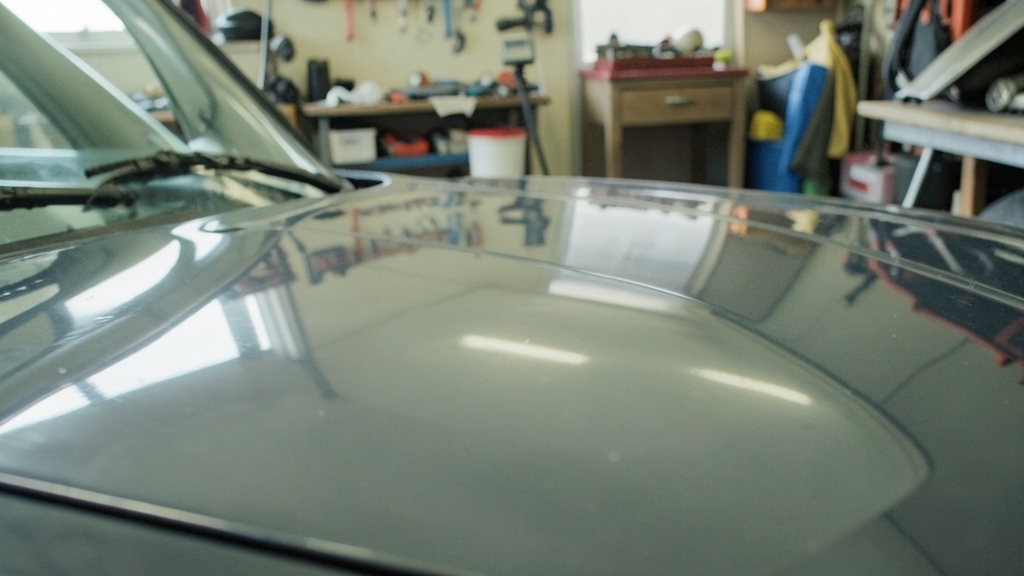
Fargo’s winters are brutal on vehicle paint—road salt, sand, and slush accelerate corrosion and dull finishes faster than most drivers realize. We’ve tested and applied ceramic coatings in this climate for years, and not all formulations withstand these conditions equally. The right chemistry makes all the difference.
Why Fargo’s Road Conditions Demand Specialized Ceramic Coatings
North Dakota’s winter maintenance relies heavily on magnesium chloride and calcium chloride blends. These chemicals are highly corrosive, eating through standard waxes and even some lower-grade sealants within weeks.
The freeze-thaw cycle in Fargo also traps grime in microscopic paint pores. Without a dense, hydrophobic barrier, contaminants bond to the clear coat, leading to etching and water spotting that’s tough to reverse.
Our team sees this firsthand in West Fargo and Moorhead, where vehicles without proper protection show premature clear coat failure. The right ceramic coating creates a sacrificial layer that repels these harsh elements.
SiO2 vs. TiO2 vs. Graphene Oxide: The Chemistry Behind Durability
Silicon dioxide (SiO2) is the most common base for ceramic coatings. It forms a hard, glass-like layer (9H on the pencil hardness scale) that resists scratches and UV fading. However, pure SiO2 can struggle with long-term chemical resistance in extreme salt exposure.
Titanium dioxide (TiO2) enhances UV protection and adds a self-cleaning effect by breaking down organic contaminants under sunlight. In Fargo’s short winter days, this feature is less impactful but still valuable for spring and fall grime.
Graphene oxide is the newest player. Its molecular structure creates an ultra-dense, flexible matrix that excels at repelling water and salts. We’ve found it outperforms traditional SiO2 in lab tests for corrosion resistance, but real-world longevity depends on proper application.
| Formulation | Hardness (Pencil Scale) | Hydrophobic Rating | Salt Resistance | UV Resistance | Longevity (Years) |
|---|---|---|---|---|---|
| SiO2 (Standard) | 9H | High | Good | Excellent | 2-4 |
| SiO2 + TiO2 | 9H | Very High | Very Good | Superior | 3-5 |
| Graphene Oxide | 10H | Extreme | Excellent | Excellent | 5-7+ |
What Fargo Drivers Overlook About Ceramic Coating Layers
Thickness matters. A single layer of SiO2 (1-2 microns) may not suffice for Fargo’s conditions. We recommend 2-3 layers for most vehicles, especially those in Horace or Dilworth where rural roads see heavier salt application.
Each layer must cure fully before the next is applied. Rushing this process in a cold garage can lead to improper bonding, reducing the coating’s ability to shed contaminants. Temperature and humidity control are critical during application.
For fleet vehicles or commercial trucks in Mapleton, we often pair ceramic coatings with paint protection film (PPF) on high-impact areas. PPF absorbs physical damage, while the coating handles chemical and UV threats.
Apply ceramic coatings in late fall or early spring when temperatures are stable (50-75°F). Avoid winter installations—cold surfaces prevent proper curing.
The Role of Paint Correction Before Coating Application
No ceramic coating will perform well over a compromised surface. Swirl marks, oxidation, or water spots must be addressed first. Our paint correction process in Fargo typically involves compounding, polishing, and a final IPA wipe-down to ensure a contaminant-free base.
Skipping this step leads to a coating that amplifies imperfections. In Fargo’s bright spring sunlight, every scratch and hologram becomes glaringly obvious under a high-gloss ceramic finish.
For older vehicles with heavy oxidation, we may recommend a light cut followed by a finishing polish. This restores clarity before the coating locks in the corrected surface.
Hydrophobic Properties: More Than Just Water Beading
A coating’s hydrophobic rating determines how well it sheds water, but in Fargo, the real test is its ability to repel slush and de-icing fluids. High-quality formulations create a lotus effect, where contaminants slide off before they can bond to the paint.
Self-cleaning properties reduce the need for frequent washes, which is a major advantage during ND winters when temperatures often dip below freezing. Less washing means less risk of scratching the paint with ice or embedded grit.
We’ve noticed that graphene-based coatings maintain their hydrophobic properties longer than traditional SiO2, even after repeated exposure to road salt. This translates to easier maintenance and longer intervals between detail sessions.
Consumer-grade ceramic sprays lack the durability and thickness to handle Fargo’s road conditions. Professional-grade coatings require precise application—leave it to experts.
Real-World Performance: How Coatings Hold Up in Fargo’s Seasons
Spring in Fargo brings a new challenge: pollen and dust. A well-applied ceramic coating prevents these contaminants from embedding in the paint, making wash days quicker and safer. The slick surface also resists water spotting from frequent rain.
Summer UV rays are intense, even in ND. Ceramic coatings with TiO2 or graphene oxide provide superior protection against fading and oxidation, keeping your vehicle’s finish vibrant through the hottest months.
Fall is the ideal time to inspect your coating’s condition. If water no longer beads uniformly or grime clings more than usual, it may be time for a maintenance boost or reapplication. We offer inspections for drivers in Ceramic Coating Fargo and surrounding areas.
Beyond Paint: Protecting Wheels, Glass, and Interiors
Road salt doesn’t just attack your paint—it corrodes wheels and brake calipers, too. We apply specialized ceramic coatings to these components, which endure higher temperatures and brake dust exposure. The result is easier cleaning and a showroom shine that lasts.
Ceramic window tinting is another smart upgrade for Fargo drivers. It reduces glare from snow-covered roads and blocks UV rays, while a hydrophobic coating on the glass improves visibility during rain or slushy conditions.
Interior ceramic protection is often overlooked. In ND’s climate, snow and salt get tracked into vehicles, leading to stained carpets and cracked leather. A ceramic interior coating repels moisture and prevents long-term damage to upholstery and dash materials.
How to Maintain Your Ceramic Coating in Fargo’s Climate
Proper maintenance extends the life of your coating and keeps your vehicle looking its best year-round.
- 1Wash Regularly with pH-Neutral Soap
Use a high-quality car shampoo and a microfiber wash mitt to avoid scratching. Avoid automatic car washes with harsh brushes, especially in winter.
- 2Decontaminate Every 3-6 Months
Use an iron-removing spray to dissolve embedded brake dust and road salt particles. Follow with a clay bar for a smooth finish.
- 3Reapply a Top-Up Coating Annually
A fresh layer of ceramic spray or boost can restore hydrophobic properties. This is especially important after harsh winters in West Fargo or Moorhead.
- 4Avoid Parking Under Trees
Sap and bird droppings are acidic and can etch through coatings if left unattended. Remove them immediately with a quick detailer spray.
- 5Inspect for Damage Before Winter
Check for water spots, swirl marks, or areas where water no longer beads. Address these issues before the first snowfall to prevent further damage.
Frequently Asked Questions
How long does a ceramic coating last in Fargo’s climate?
Longevity depends on the formulation and maintenance. Standard SiO2 coatings last 2-4 years, while graphene oxide can protect for 5-7+ years. Harsh winters with road salt may shorten this slightly, but proper care extends the life significantly.
Can ceramic coatings prevent rust from road salt?
Ceramic coatings provide a strong barrier against corrosion, but they’re not a substitute for rustproofing underneath the vehicle. For full protection, we recommend combining a ceramic coating with undercoating, especially for older vehicles in Horace or Dilworth.
Is ceramic coating worth it for a daily driver in Ceramic Coating Fargo?
Absolutely. Daily drivers in Fargo face constant exposure to salt, grime, and UV rays. A ceramic coating reduces maintenance time, protects resale value, and keeps your car looking newer longer. The upfront cost is offset by fewer detail sessions and less paint correction over time.
What’s the difference between ceramic coating and paint protection film (PPF)?
Ceramic coatings are liquid-applied and form a hard, invisible layer that enhances gloss and repels contaminants. PPF is a physical urethane film that protects against rock chips and scratches. Many Fargo drivers opt for both: PPF on high-impact areas and a ceramic coating over the entire vehicle for comprehensive protection.
Do ceramic coatings work on matte or satin paint?
Yes, but the formulation must be matte-specific. Standard ceramic coatings add gloss, which would ruin a matte finish. We use specialized products that maintain the flat or satin look while providing the same protective benefits. This is common for trucks and luxury vehicles in Mapleton.
How do I know if my ceramic coating is failing?
Signs include water no longer beading uniformly, increased dirt buildup, or a duller appearance. If you notice these issues, schedule an inspection. Often, a maintenance wash or top-up coating can restore performance without a full reapplication.