Ceramic Coating Fargo: What to Do When Beading Stops
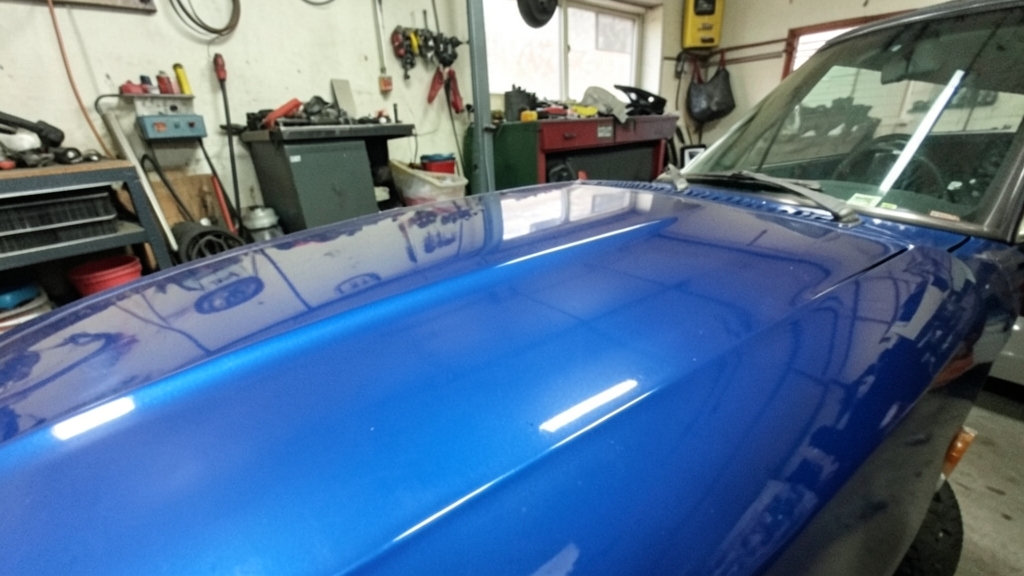
Seeing water no longer bead on your ceramic-coated vehicle in Fargo? It’s a common sign the coating’s hydrophobic layer is compromised. We’ll walk you through why this happens, especially after our harsh winters and salty roads, and how to restore performance without damaging the finish.
Why Beading Fades on Ceramic Coatings in Fargo’s Climate
Fargo’s extreme temperature swings—from subzero winters to hot, humid summers—accelerate the breakdown of SiO2 bonds in ceramic coatings. UV exposure and road salt further degrade the hydrophobic matrix over time.
Improper washing is another culprit. Harsh soaps, automatic car washes with abrasive brushes, or drying with dirty towels introduce micro-scratches that disrupt water beading.
Common Mistakes That Kill Hydrophobic Performance
Using household detergents or dish soap strips the coating’s oleophobic and hydrophobic properties. Always opt for pH-neutral automotive shampoos designed for coated surfaces.
Skipping the decontamination step before maintenance washes leaves iron particles and industrial fallout embedded in the coating, reducing its ability to repel water.
Never use wax or sealants over a ceramic coating. These products can fill the coating’s pores, masking beading temporarily but harming long-term durability.
How to Test if Your Coating’s Beading Is Truly Gone
The water test is simple: spray a fine mist on a clean panel. If water sheets off in large, defined beads, the coating is intact. If it sheets flat or leaves streaks, the hydrophobic layer is failing.
For a more precise check, use a contact angle meter. Properly applied ceramic coatings should maintain a contact angle above 110°. Below 90° signals it’s time for rejuvenation or correction.
Ceramic Coating Beading vs. Paint Protection Film (PPF) Beading
Ceramic coatings rely on a chemical bond with the paint to create hydrophobicity, while PPF uses a clear urethane film with a hydrophobic top coat. Both repel water, but PPF offers better resistance to physical abrasion from road debris common on Fargo highways.
PPF can be paired with a ceramic coating for maximum protection. In areas like West Fargo or Horace, where gravel roads are frequent, this combo extends the life of both the film and the coating’s beading properties.
| Feature | Ceramic Coating | Paint Protection Film (PPF) |
|---|---|---|
| Hydrophobic Source | SiO2 nanoparticle matrix | Hydrophobic top coat on urethane film |
| Durability Against Abrasion | Moderate | High |
| Self-Healing | Limited (some coatings) | Yes (minor scratches) |
| Maintenance Needs | Regular decontamination, pH-neutral washes | Same as coating + film-specific care |
| Best For | Daily drivers, show cars | High-impact areas, off-road or gravel-prone routes |
Step-by-Step to Restore Beading on Your Ceramic Coating
Start with a thorough decontamination wash using a clay bar and iron remover. This removes embedded contaminants that block the coating’s hydrophobic surface.
If beading doesn’t return after decon, a light polish with a fine compound (e.g., 3000-grit) can re-expose the coating’s top layer. Avoid aggressive polishing, which can thin the coating prematurely.
When to Reapply or Layer a New Ceramic Coating
If beading doesn’t improve after maintenance, the coating may be near the end of its lifespan. Most professional-grade coatings last 3-5 years, but Fargo’s climate can shorten this window.
For vehicles in Moorhead or Dilworth exposed to heavy industrial fallout, consider a maintenance spray coating every 6-12 months to refresh hydrophobicity without a full reapplication.
Always apply ceramic coatings in a controlled environment. Dust, pollen, or humidity during application can compromise beading performance from day one.
Preventing Beading Loss: Maintenance Tips for Fargo Drivers
Wash your vehicle every 1-2 weeks with a pH-neutral shampoo and the two-bucket method to minimize swirl marks. In winter, rinse off road salt as soon as possible to prevent chemical degradation.
Use a ceramic coating-safe quick detailer after washes to enhance hydrophobicity. Avoid products with fillers or silicones, which can mask beading temporarily but harm the coating long-term.
Weekly Maintenance for Long-Lasting Beading
- Use a grit guard in wash buckets to trap dirt
- Dry with a clean microfiber towel (no chamois)
- Apply a ceramic boost spray every 3-6 months
- Park in a garage or under cover to limit UV exposure
Local Considerations: Fargo’s Unique Challenges
Fargo’s use of magnesium chloride and other ice-melting agents is tough on coatings. These chemicals can etch into the coating’s surface, reducing beading if not rinsed off promptly.
For fleet or commercial vehicles in Mapleton or West Fargo, consider a ceramic coating with added chemical resistance. These formulations handle frequent exposure to industrial pollutants and road treatments better than standard coatings.
How to Revive Beading on Your Ceramic Coating
Follow these steps to restore hydrophobic performance without damaging the existing coating.
- 1Deep Clean the Surface
Wash the vehicle with a pH-neutral shampoo, then use a clay bar and iron remover to eliminate embedded contaminants. Dry thoroughly with a clean microfiber towel.
- 2Inspect for Water Spots or Etching
Check for mineral deposits or etching from hard water or road salt. If present, use a light polishing compound to restore the surface before testing beading.
- 3Test Beading with a Water Spray
Mist a clean panel with water. If beads are small or absent, proceed to rejuvenation. If beading is strong, your maintenance routine is working.
- 4Apply a Ceramic Boost Spray
Use a high-quality SiO2 spray to refresh the hydrophobic layer. Apply in small sections, buffing with a microfiber towel to ensure even coverage.
- 5Re-evaluate After 24 Hours
Allow the boost spray to cure. Re-test beading the next day. If performance hasn’t improved, the base coating may need professional reapplication.
Frequently Asked Questions
How long should beading last on a ceramic coating in Fargo?
With proper maintenance, beading typically lasts 2-4 years. Fargo’s harsh winters and road treatments can shorten this, especially if the vehicle isn’t washed regularly to remove salt and grime.
Can I use a rain repellent product to restore beading on my ceramic coating?
No. Rain repellents like Rain-X contain silicones that can temporarily improve beading but will degrade the ceramic coating’s longevity. Stick to ceramic-specific boost sprays.
Why does my ceramic coating bead less in winter?
Cold temperatures reduce the surface energy of the coating, which can make water bead less dramatically. This is normal and doesn’t necessarily mean the coating is failing—test again in warmer weather.
Is it worth getting a ceramic coating for a daily driver in Fargo?
Absolutely. Ceramic coatings protect against UV fading, oxidation, and chemical stains from road salt, which are major concerns for daily drivers in our area. Pair it with PPF for high-impact areas like the front bumper.
What’s the difference between beading and sheeting on a ceramic coating?
Beading occurs when water forms tight, spherical droplets that roll off, indicating a strong hydrophobic surface. Sheeting happens when water flows off in a flat layer, often a sign the coating’s hydrophobic properties are weakening.
Do ceramic coatings work on wheels and brake calipers in Fargo’s conditions?
Yes. Wheel and brake caliper ceramic coatings resist brake dust, road grime, and high heat, making them ideal for Fargo’s stop-and-go traffic and salty winter roads. Beading on these areas may fade faster due to heat and debris, so more frequent maintenance is key.