Ceramic Coating vs. Graphene for UV Protection in Ceramic Coating Fargo
Fargo’s intense summer sun and harsh winters demand serious UV protection for your vehicle. Ceramic coatings and graphene-based products both promise long-term defense, but their chemistry and performance differ in critical ways. We break down which technology shields your paint better in our local climate.
Why UV Protection Matters in Fargo’s Climate
North Dakota’s high UV index and long summer days accelerate paint oxidation, fading, and clear coat degradation. Without protection, your vehicle’s finish can dull within months.
Winter road salt and temperature swings further stress unprotected paint, making year-round UV defense non-negotiable for preserving resale value and appearance.
How Ceramic Coatings Block UV Rays
Ceramic coatings form a nano-ceramic layer bonded to your clear coat, creating a sacrificial barrier. The silica or titanium dioxide in these products absorbs and scatters UV radiation before it penetrates the paint.
This layer also resists oxidation, water spots, and chemical etching, which are common in Fargo’s mix of urban pollutants and rural dust.
Ceramic coatings require thorough paint correction and decontamination first. Skipping this step traps defects under the coating, reducing longevity and UV protection.
Graphene Coatings: The New Contender
Graphene coatings leverage carbon-based nanostructures to create an ultra-thin, highly durable layer. Their molecular arrangement provides exceptional thermal conductivity, dissipating heat from UV exposure faster than traditional ceramics.
In lab tests, graphene often outperforms ceramics in heat resistance, but real-world automotive applications are still evolving, especially in colder climates like West Fargo or Moorhead.
UV Protection: Ceramic vs. Graphene Compared
Both technologies excel at UV blocking, but their mechanisms and secondary benefits differ. Ceramic coatings are proven, widely available, and easier to apply, while graphene offers cutting-edge heat dissipation.
| Feature | Ceramic Coating | Graphene Coating |
|---|---|---|
| UV Blocking Effectiveness | Excellent (90-95% UV absorption) | Excellent (90-95%+ UV absorption) |
| Heat Dissipation | Good | Superior (faster heat dispersion) |
| Durability | 3-5+ years (with maintenance) | 4-7+ years (emerging data) |
| Hydrophobic Properties | Very High | Very High |
| Scratch Resistance | Moderate (9H hardness) | High (10H+ hardness in some formulations) |
| Local Availability | Widely available in Fargo, West Fargo, Moorhead | Limited (specialty providers) |
| Cost Factors | Varies by vehicle size, prep work, and layers | Typically higher due to material costs |
Durability in Fargo’s Extreme Seasons
Ceramic coatings handle Fargo’s freeze-thaw cycles well, but improper application can lead to micro-cracking. Graphene’s flexibility may offer an edge in temperature extremes, though long-term local data is limited.
Both require proper washing techniques to avoid premature wear. Automatic car washes with harsh brushes can degrade either coating over time.
Graphene coatings are highly technical. Improper application in humid conditions (common in Horace or Dilworth) can cause bonding failures. Always trust a professional.
Gloss and Aesthetic Impact
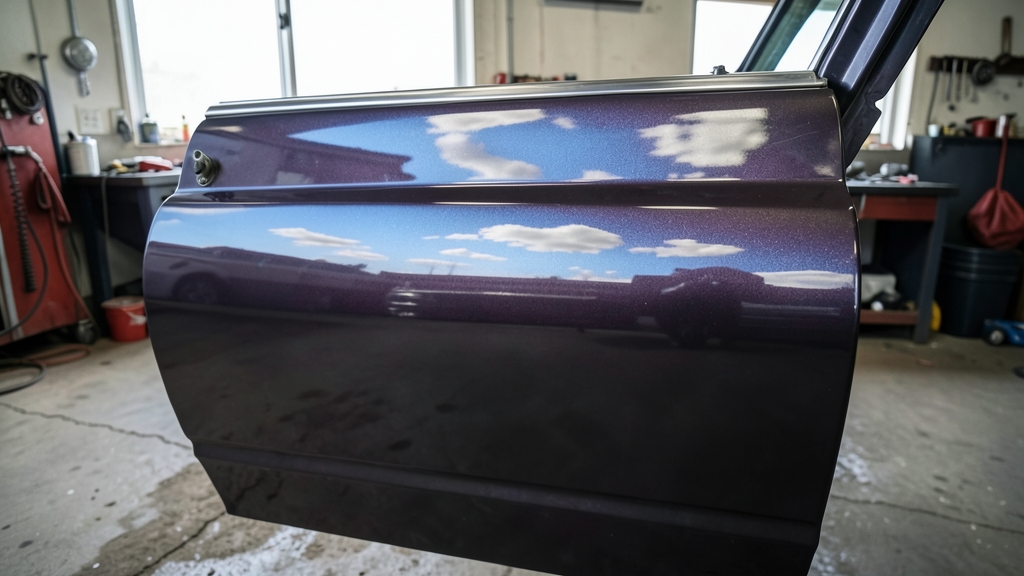
Ceramic coatings enhance gloss by filling microscopic imperfections in the clear coat, creating a mirror-like finish. This effect is especially noticeable on darker vehicles, popular in the Fargo area.
Graphene coatings can achieve similar or superior clarity, but their gloss often depends on the base material’s quality and the skill of the installer. Both pair well with paint correction services.
Maintenance Requirements
Ceramic coatings reduce washing frequency but still need periodic maintenance washes to remove embedded contaminants. A pH-neutral shampoo and microfiber towels are essential to preserve the hydrophobic layer.
Graphene coatings may require less frequent reapplication of topping sprays, but their maintenance is otherwise similar. Both benefit from annual inspections, especially after harsh winters in Mapleton or West Fargo.
Coating Maintenance Essentials
- Wash with pH-neutral automotive shampoo every 2 weeks
- Use a foam cannon for safe pre-wash decontamination
- Avoid automatic car washes with abrasive brushes
- Reapply ceramic boost spray every 6-12 months
- Inspect for water spotting or reduced beading annually
Pairing with Other Protective Services
For maximum UV and physical protection, combine ceramic or graphene coatings with paint protection film (PPF). PPF guards against rock chips and scratches, while the coating adds UV resistance and hydrophobicity.
In areas like Dilworth or Horace, where gravel roads are common, PPF on high-impact zones (hood, bumper, fenders) paired with a full-vehicle ceramic coating offers the best defense against both UV and physical damage.
How to Choose Between Ceramic and Graphene Coatings
Selecting the right coating depends on your priorities, budget, and vehicle usage.
- 1Assess Your UV Exposure
Consider your daily driving routes and parking conditions. Vehicles parked outside in Moorhead or West Fargo face higher UV exposure than garage-kept cars.
- 2Evaluate Long-Term Goals
If you plan to keep your vehicle for 5+ years, graphene’s potential longevity may justify the investment. For shorter ownership, ceramic coatings offer proven value.
- 3Inspect Your Paint Condition
Both coatings require flawless paint. If your vehicle has swirl marks or oxidation, start with paint correction to ensure optimal bonding and UV protection.
- 4Consult a Local Expert
A professional in Fargo can assess your vehicle’s specific needs, discuss climate-specific considerations, and provide a tailored recommendation. Request a quote to compare options.
- 5Consider Additional Protections
Think about pairing your coating with PPF for high-impact areas, ceramic window tint for interior UV protection, or wheel coatings to guard against brake dust and road grime.
Frequently Asked Questions
Does ceramic coating completely stop paint fading in Fargo’s sun?
Ceramic coatings significantly reduce UV damage, but no coating can eliminate fading entirely. Regular maintenance and avoiding prolonged sun exposure (e.g., using a car cover) will extend your paint’s life.
Is graphene coating worth the higher cost for UV protection?
Graphene offers superior heat dissipation, which can be beneficial in Fargo’s hot summers. However, for pure UV blocking, high-quality ceramic coatings are nearly as effective at a lower cost. The choice depends on your budget and long-term goals.
Can I apply a ceramic coating over an existing graphene coating?
No. Layering different coatings can cause bonding issues and reduce performance. If you want to switch, the existing coating must be fully removed through professional polishing before applying a new product.
How often should I reapply ceramic coating in Fargo’s climate?
With proper maintenance, a professional-grade ceramic coating lasts 3-5 years. Harsh winters and high UV exposure in areas like Mapleton may shorten this lifespan slightly. Annual inspections help determine when a refresh is needed.
Do ceramic or graphene coatings protect against road salt in winter?
Both coatings provide a hydrophobic barrier that makes it easier to wash off road salt, but they don’t prevent corrosion entirely. For maximum protection, pair your coating with regular washing and consider PPF for high-impact areas.
Are there any local Fargo conditions that affect coating performance?
Yes. Fargo’s humidity fluctuations, temperature extremes, and road salt use can impact coating longevity. Professional application and proper prep work are critical to ensure the coating adheres correctly and lasts as long as possible.