Debunking Common Myths About Ceramic Coating and Paint Correction in Fargo in Ceramic Coating Fargo, ND
Ceramic coating and paint correction are often misunderstood. We see Fargo drivers make decisions based on half-truths that cost time and protection. Let’s clear the air with expert insights from years on the ground in North Dakota’s harsh climate.
Myth 1: Ceramic Coating Makes Your Car Scratch-Proof
No coating is invincible. Ceramic coatings add a 9H hardness layer that resists light scratches and swirl marks, but they won’t stop a key or a shopping cart.
Think of it like a tougher clear coat—not armor. For serious protection against rock chips, we often pair it with Paint Protection Film in areas like West Fargo where gravel roads are common.
Ceramic coatings protect against minor abrasions and UV damage, not impacts. For full defense, combine with PPF.
Myth 2: Paint Correction Is Just a Fancy Wash
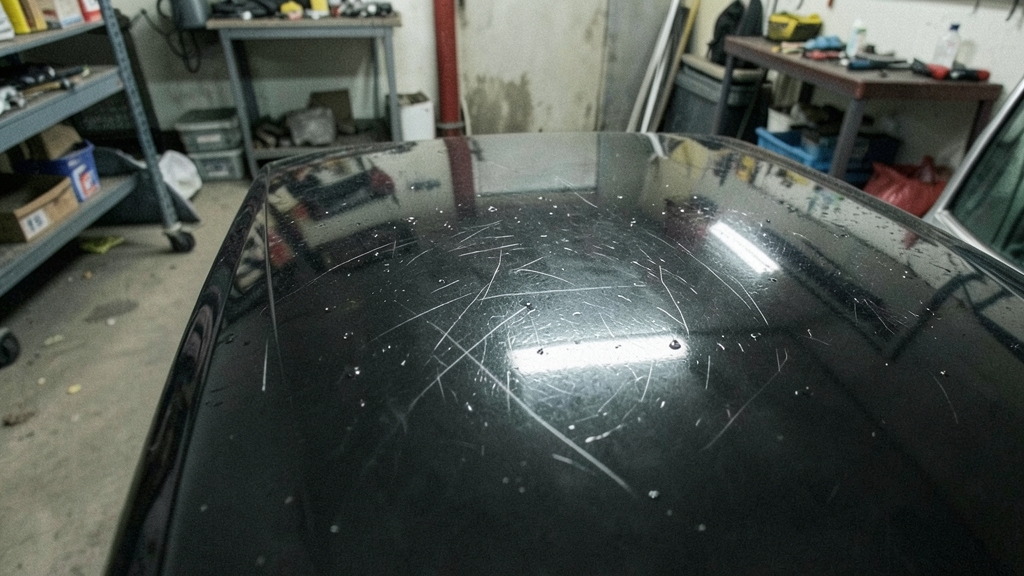
Paint correction is a multi-step process. We use compounds, polishes, and fine abrasives to remove oxidation, swirls, and water spots from your clear coat.
It’s not about cleaning—it’s about restoring. In Fargo’s winter, road salt and sand can etch paint deeply. Correction fixes that before coating locks it in.
Myth 3: Ceramic Coating Lasts Forever
Even premium coatings degrade. UV exposure, harsh winters, and improper washing shorten lifespan. In our climate, expect 2–5 years depending on maintenance and product tier.
Reapplication isn’t just possible—it’s necessary. We see Moorhead and Dilworth drivers extend longevity with annual inspections and touch-ups.
Myth 4: You Can Apply Ceramic Coating Over Dirty or Damaged Paint
Coatings bond to the surface. Dirt, wax, or oxidation underneath means poor adhesion and a wasted investment. Paint correction and a thorough decontamination (often with a clay bar) come first.
Skipping prep is like putting a Band-Aid on a rusted panel. We’ve seen DIY jobs in Horace fail within months because of this.
Pre-Coating Prep Must-Dos
- Full wash and decontamination with clay bar
- Paint correction to remove swirls and oxidation
- Final wipe-down with IPA to remove oils
Myth 5: All Ceramic Coatings Are the Same
Consumer-grade sprays from big-box stores can’t match professional silica-based or graphene-infused coatings. The latter offer deeper gloss, better hydrophobics, and longer durability.
In Mapleton, where dust and pollen are constant, we use high-solid formulations for better resistance. The difference is night and day.
| Type | Durability | Hydrophobics | Gloss | Cost Factor |
|---|---|---|---|---|
| Consumer Spray | 6–12 months | Moderate | Low | Low |
| Pro Silica-Based | 2–3 years | High | High | Moderate |
| Graphene-Infused | 3–5+ years | Very High | Very High | High |
Myth 6: Ceramic Coating Eliminates the Need for Washing
Hydrophobic properties make washing easier, but dirt still sticks. In fact, improper washing (like using harsh soaps) can degrade the coating faster.
We recommend pH-neutral shampoos and microfiber towels. For West Fargo drivers, regular washes are critical to prevent salt buildup in winter.
Use the two-bucket method and avoid automatic car washes with brushes. They can introduce swirls that coatings can’t hide.
Myth 7: Paint Correction Ruins Your Clear Coat
Done correctly, correction removes a microscopic layer of clear coat to level imperfections. It doesn’t ‘wear it out’—it restores clarity and depth.
The risk comes from inexperienced hands using aggressive compounds. Our team measures paint thickness before and after to ensure safety, especially on older vehicles in Fargo.
How to Maintain Your Ceramic Coating in North Dakota’s Climate
A few simple habits will maximize your coating’s lifespan and performance.
- 1Wash Regularly
Use pH-neutral car shampoo and the two-bucket method to avoid swirls. Wash every 1–2 weeks, or immediately after salt exposure.
- 2Dry Properly
Use a clean microfiber towel or a blower to prevent water spots. Never air-dry in direct sunlight.
- 3Avoid Harsh Chemicals
Skip dish soap, degreasers, or wax-based products. They can strip the coating’s hydrophobic layer.
- 4Reapply Maintenance Spray
Use a ceramic boost spray every 3–6 months to refresh hydrophobics and gloss. This is critical after harsh winters.
- 5Inspect Annually
Have a professional check for coating degradation, especially before winter. Touch-ups may be needed in high-wear areas.
Frequently Asked Questions
Does ceramic coating work in Fargo’s extreme winters?
Absolutely. Ceramic coatings resist UV damage, oxidation, and chemical stains—critical for surviving road salt and subzero temps. They also make ice and snow easier to remove. Just maintain them properly.
Can I apply ceramic coating myself?
You can, but professional application ensures proper prep, even coverage, and curing. We’ve fixed many DIY jobs in Moorhead where uneven layers or missed prep led to peeling or poor performance.
How much does paint correction cost before ceramic coating in Fargo?
Cost depends on your vehicle’s size, paint condition, and the level of correction needed (1-step vs. multi-stage). Severe swirls or oxidation require more work. Request a quote for an accurate estimate.
Will ceramic coating fix my faded or peeling paint?
No. Coatings enhance and protect existing paint—they don’t repair damage. Paint correction can restore clarity to faded clear coat, but peeling or chipped paint needs touch-up or repainting first.
Is ceramic window tint worth it in North Dakota?
Yes. Ceramic window tint blocks UV rays, reduces heat, and resists fading—ideal for our sunny summers and cold winters. It also pairs well with full-vehicle coatings for complete protection.
Do you offer ceramic coating for fleets or commercial vehicles in Horace?
Yes. We provide fleet and commercial vehicle coating services tailored to high-mileage use. These coatings are formulated for durability against frequent washing and road debris.