How to Dry Your Car Without Damaging Your Ceramic Coating in Fargo in Ceramic Coating Fargo, ND
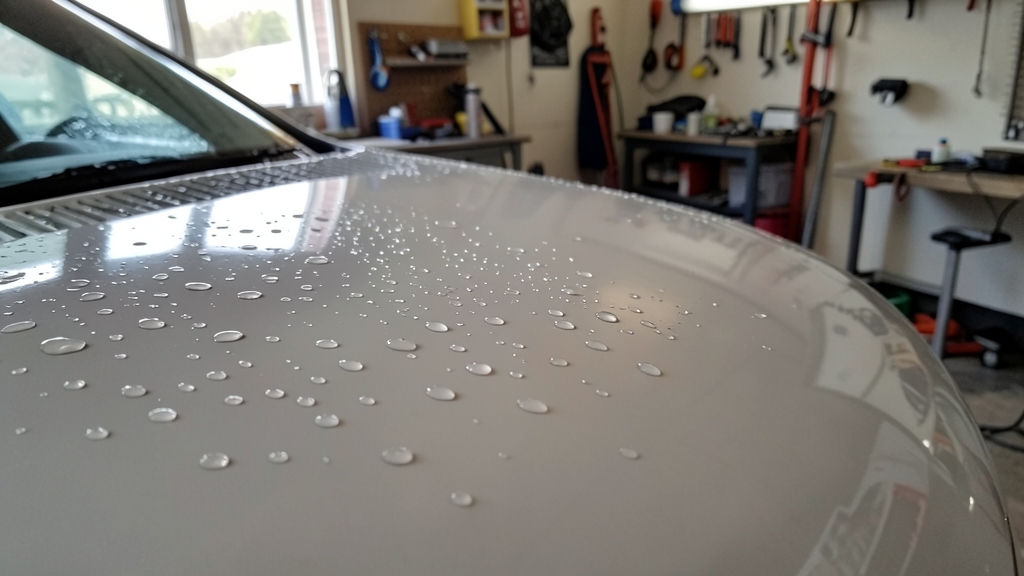
Ceramic coatings create a hydrophobic barrier that repels water, but improper drying can still introduce swirls or water spots. In Fargo’s hard-water climate, knowing the right technique is critical to preserving that glass-like finish. Our team shares trade-tested methods to dry safely and extend your coating’s lifespan.
Why Drying Matters for Ceramic-Coated Vehicles
Ceramic coatings bond to your clear coat, forming a durable, water-repellent layer. But even this protection isn’t immune to damage from poor drying habits.
Hard water in Fargo leaves mineral deposits that etch into the coating over time. Improper towels or techniques can also introduce micro-scratches, dulling the hydrophobic effect.
The Best Tools for Drying a Ceramic-Coated Car
Start with a high-quality, plush microfiber towel—at least 16x24 inches and 300+ GSM. These lift water without dragging contaminants across the surface.
A synthetic chamois or a dedicated car-drying blower (like a leaf blower on cool setting) removes water without contact. Avoid natural chamois; they can trap grit.
For wheels and tight areas, use a smaller microfiber or a dedicated wheel-drying towel. Ceramic-coated wheels in Horace or Mapleton benefit from the same care.
| Tool | Pros | Cons |
|---|---|---|
| Plush Microfiber Towel | Absorbs water quickly, gentle on coating | Can trap dirt if not washed properly |
| Synthetic Chamois | Squeezes water off without scratching | Less absorbent than microfiber |
| Car-Drying Blower | No contact, ideal for hydrophobic coatings | Requires power source, noisy |
| Natural Chamois | Traditional, durable | Can hold grit, not recommended for coatings |
Step-by-Step: The Safest Drying Technique
Always dry in the shade or a garage. Direct sun in Fargo’s summer causes water to evaporate too fast, leaving spots before you can wipe them.
Use the two-towel method: one for the body, one for wheels and lower panels where dirt accumulates. This prevents cross-contamination.
Common Mistakes That Harm Ceramic Coatings
Using a regular bath towel or paper towels introduces lint and scratches. Even some microfiber towels are too coarse for coated surfaces.
Dragging a towel across dry spots grinds in contaminants. Lift and blot instead of wiping to protect the coating’s integrity.
Brush-style car washes in West Fargo or Moorhead can strip ceramic coatings and leave swirls. Stick to touchless or hand-wash methods.
Dealing with Water Spots on Ceramic Coatings
Fargo’s hard water leaves stubborn spots. If they appear, use a dedicated water spot remover or a 50/50 mix of distilled water and white vinegar.
For severe etching, a light polish may be needed—but this should be done by professionals to avoid damaging the coating. Paint correction often precedes reapplying ceramic coating in Dilworth or Horace.
After washing, use the ‘sheeting method’: let the ceramic coating’s hydrophobicity pull water off. Then, use a blower to chase remaining droplets from crevices.
Maintaining Your Coating Between Washes
Regular maintenance includes using pH-neutral car shampoos and avoiding harsh chemicals. A ceramic coating booster spray can refresh hydrophobicity between full detail sessions.
For vehicles in Mapleton or West Fargo exposed to road salt in winter, more frequent washing and drying is essential to prevent corrosion under the coating.
Ceramic Coating Maintenance Checklist
- Wash with pH-neutral shampoo every 2 weeks
- Dry with clean microfiber or blower immediately after washing
- Apply ceramic booster spray every 3-4 months
- Inspect for water spots or etching monthly
- Avoid automatic car washes with brushes
When to Consider Professional Help
If water spots won’t come off or the coating’s hydrophobic effect is fading, it may be time for a professional inspection. Our team in Fargo can assess whether a maintenance coat or full reapplication is needed.
For fleet or commercial vehicles in Horace, regular professional drying and coating upkeep can save time and protect your investment long-term.
How to Dry Your Ceramic-Coated Car Like a Pro
Follow these steps to ensure a swirl-free, spot-free finish every time.
- 1Rinse Thoroughly
Use the two-bucket method with grit guards to remove loose dirt before drying. This prevents dragging contaminants across the coating.
- 2Use the Right Towel
Pat the surface dry with a clean, plush microfiber towel. Lift and blot—never drag.
- 3Blow Out Crevices
Use a leaf blower on cool setting to remove water from mirrors, trim, and door jambs where towels can’t reach.
- 4Inspect for Spots
Check for water spots or streaks. If present, re-wet the area and dry again or use a spot remover.
- 5Finish with a Detail Spray
Mist a ceramic-safe detail spray and buff with a fresh microfiber to enhance shine and hydrophobicity.
Frequently Asked Questions
Can I air-dry my car after a ceramic coating in Fargo?
Air-drying can work if the coating’s hydrophobicity is strong, but Fargo’s hard water often leaves spots. Using a blower or microfiber towel is safer to ensure a perfect finish.
How often should I dry my car after washing to protect the ceramic coating?
Dry your car immediately after every wash to prevent water spots and mineral deposits. In Fargo’s climate, this is especially critical due to hard water and seasonal debris.
What’s the difference between drying a ceramic-coated car and a regular car?
Ceramic-coated cars are more hydrophobic, so water sheets off easier. However, they’re also more susceptible to swirls from improper drying. Use softer, cleaner tools and avoid abrasive methods.
Is a synthetic chamois better than microfiber for ceramic coatings?
Both work, but plush microfiber is generally safer for ceramic coatings because it absorbs more water and is less likely to trap grit. A synthetic chamois is a good secondary option for large panels.
Can I use a regular leaf blower to dry my ceramic-coated car?
Yes, but only on the cool setting to avoid melting plastic trim or damaging the coating. Keep the nozzle at least 12 inches away from the surface.
Does ceramic coating eliminate the need for drying?
No. While ceramic coatings repel water, they don’t prevent all water spots or contaminants. Proper drying ensures a flawless finish and longevity, especially in areas like Moorhead or Dilworth with harsh conditions.