Hybrid vs. Pure Ceramic Coatings: What Fargo Drivers Need to Know in Ceramic Coating Fargo
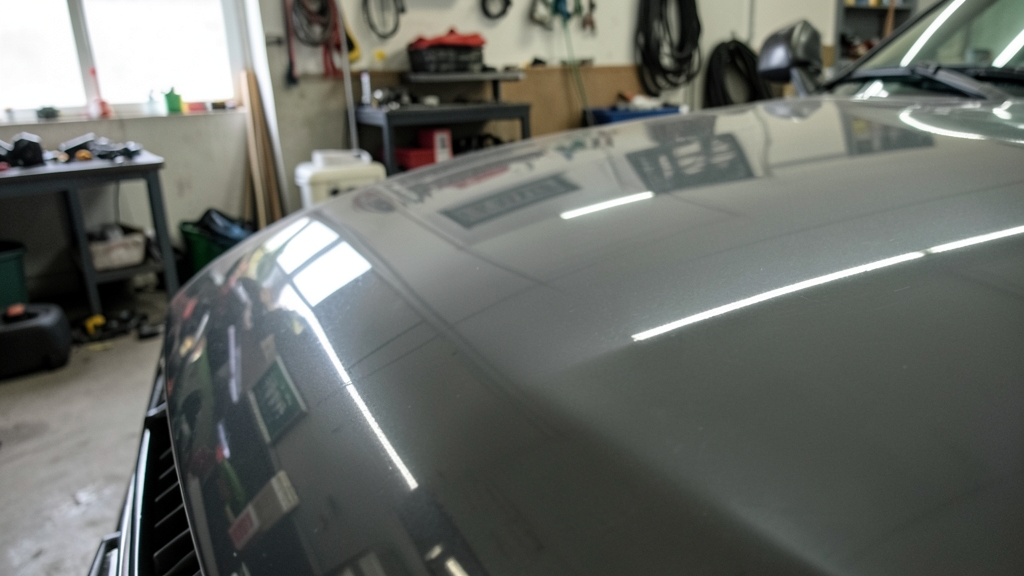
Fargo’s extreme temperature swings, road salt, and UV exposure demand serious paint protection. Choosing between hybrid and pure ceramic coatings isn’t just about shine—it’s about longevity and resilience. We break down the science so you can decide what’s best for your ride in our local conditions.
Why Fargo’s Climate Demands the Right Ceramic Coating
North Dakota’s winters are brutal on paint—salt, slush, and subzero temps accelerate oxidation and corrosion. A quality ceramic coating acts as a sacrificial barrier, but not all formulas handle these stresses equally.
Summers bring intense UV rays and pollen, which fade and etch unprotected clear coats. The right coating mitigates these risks while enhancing gloss and simplifying maintenance.
Pure Ceramic Coatings: The Gold Standard for Durability
Pure ceramic coatings (often SiO2 or SiC-based) form a rigid, glass-like layer that bonds molecularly to your paint. They offer superior hardness (9H+), UV resistance, and chemical stability—ideal for long-term protection in harsh climates.
Expect 5+ years of defense against bird droppings, tree sap, and industrial fallout. However, they require meticulous paint correction beforehand to ensure flawless adhesion.
Pure ceramics demand a controlled environment for application. Our team in West Fargo and Moorhead uses climate-controlled bays to avoid dust or humidity issues.
Hybrid Ceramic Coatings: Flexibility Meets Affordability
Hybrid coatings blend ceramic polymers with organic resins, offering easier application and a lower upfront cost. They’re more forgiving on imperfect paint and cure faster, making them a practical choice for daily drivers.
Durability typically ranges 2-4 years—shorter than pure ceramics but still a massive upgrade over wax or sealants. They’re a smart pick for fleet vehicles or those in Horace and Dilworth looking for solid protection without the premium commitment.
Head-to-Head: Pure vs. Hybrid Ceramic Coatings
The choice hinges on your priorities: longevity, budget, or ease of maintenance. Below, we compare key performance factors for Fargo’s unique conditions.
| Feature | Pure Ceramic | Hybrid Ceramic |
|---|---|---|
| Durability | 5-7+ years | 2-4 years |
| Hardness (Pencil Test) | 9H+ | 7H-9H |
| UV Protection | Excellent | Very Good |
| Chemical Resistance | High (pH 2-12) | Moderate (pH 4-11) |
| Hydrophobic Effect | Extreme (110°+ contact angle) | Strong (90-110° contact angle) |
| Application Complexity | High (requires paint correction) | Moderate (more forgiving) |
| Cure Time | 24-48 hours | 12-24 hours |
| Ideal For | Long-term owners, show cars, harsh climates | Daily drivers, budget-conscious, fleets |
Fargo-Specific Considerations: Salt, Snow, and Sun
Road salt is the arch-nemesis of paint. Pure ceramics resist etching better, but hybrids still outperform traditional sealants if maintained properly. Regular washes with pH-neutral soap are critical for both.
Sun exposure in summer can degrade lesser coatings. Pure ceramics reflect UV rays more effectively, preserving your paint’s integrity and color depth longer.
Never apply ceramic coatings in freezing temps. Our Mapleton and Horace clients schedule installations in spring or fall to ensure proper curing.
Preparation Matters: Paint Correction Before Coating
A ceramic coating amplifies your paint’s condition—flaws become permanent under the gloss. Our team always starts with paint correction (compounding, polishing) to remove swirls, scratches, and oxidation.
For vehicles with heavy damage, we may recommend paint protection film (PPF) on high-impact areas (hood, bumper) before applying a ceramic coating for layered defense.
Maintenance: Keeping Your Coating in Top Shape
Ceramic coatings aren’t maintenance-free. While they repel dirt, regular washing prevents contaminants from bonding. Use a grit guard and microfiber towels to avoid scratching.
Avoid automatic car washes with harsh brushes—they can degrade the coating over time. For extra shine, a ceramic-boosting spray sealant every 6 months enhances hydrophobicity.
Ceramic Coating Maintenance Essentials
- Wash weekly with pH-neutral car shampoo
- Use the two-bucket method to prevent swirls
- Dry with a high-quality microfiber towel
- Avoid wax or silicone-based products
- Reapply a ceramic topper every 6-12 months
Beyond Paint: Ceramic Coatings for Wheels, Glass, and Interiors
Ceramic coatings aren’t just for paint. We apply them to wheels and brake calipers to resist brake dust and high temps, making cleaning a breeze. Ceramic window tint reduces heat and UV rays while improving visibility.
Interior ceramic protection shields dashboards, leather, and plastics from UV fading and stains—perfect for Fargo families and commercial vehicles in Dilworth or West Fargo.
How to Decide Between Hybrid and Pure Ceramic Coatings
Use this step-by-step guide to match your needs with the right coating type.
- 1Assess Your Vehicle’s Condition
Inspect your paint for swirls, scratches, or oxidation. Pure ceramics require near-perfect surfaces; hybrids are more forgiving.
- 2Determine Your Ownership Timeline
Planning to keep your car 5+ years? Pure ceramic’s longevity justifies the investment. Leasing or upgrading soon? A hybrid may suffice.
- 3Evaluate Your Budget and Priorities
Pure ceramics cost more upfront but save on reapplication. Hybrids offer solid protection at a lower price point. Request a quote to compare.
- 4Consider Fargo’s Climate Impact
If you park outside year-round or drive frequently in winter, pure ceramics provide superior defense against salt and UV damage.
- 5Think About Maintenance Commitment
Pure ceramics demand stricter care to maximize lifespan. Hybrids are lower-maintenance but may need reapplication sooner.
Frequently Asked Questions
Can I apply a ceramic coating myself in Fargo?
DIY ceramic coatings exist, but Fargo’s climate and the need for paint correction make professional application the smarter choice. Improper prep or curing can lead to peeling or poor performance.
How do ceramic coatings compare to paint protection film (PPF) in Ceramic Coating Fargo?
PPF offers superior impact resistance (great for rock chips), while ceramic coatings provide better chemical and UV protection. Many Fargo drivers combine both for ultimate defense.
Will a ceramic coating prevent rock chips?
No coating is chip-proof. For high-impact areas, we recommend pairing a ceramic coating with PPF on the front bumper, hood, and fenders—common for Moorhead and West Fargo commuters.
How often should I reapply a hybrid ceramic coating in North Dakota?
Hybrid coatings typically last 2-4 years here, but harsh winters may shorten that. Inspect your vehicle annually for reduced hydrophobicity or water spotting.
Do ceramic coatings work on matte or satin paint finishes?
Yes, but they require a specialized matte ceramic coating. Standard coatings can add unwanted gloss. Our team in Horace has experience with these finishes.
What’s the downtime after a ceramic coating application in Ceramic Coating Fargo?
Pure ceramics need 24-48 hours to cure before exposure to water or rain. Hybrids cure faster (12-24 hours), but we advise avoiding car washes for at least a week.